A Wish in the Dark: Accessibility in Our Community
6th Grade, Reeths-Puffer Intermediate
How can we make systems in Muskegon accessible for everyone so no one is left out?
Students explore accessibility systems in Muskegon County, examining how communities can be designed—or redesigned—to ensure all people can fully participate regardless of physical ability, socioeconomic status, or other factors. The project connects to the novel A Wish in the Dark*and challenges students to think critically about who gets left out of community spaces and systems.
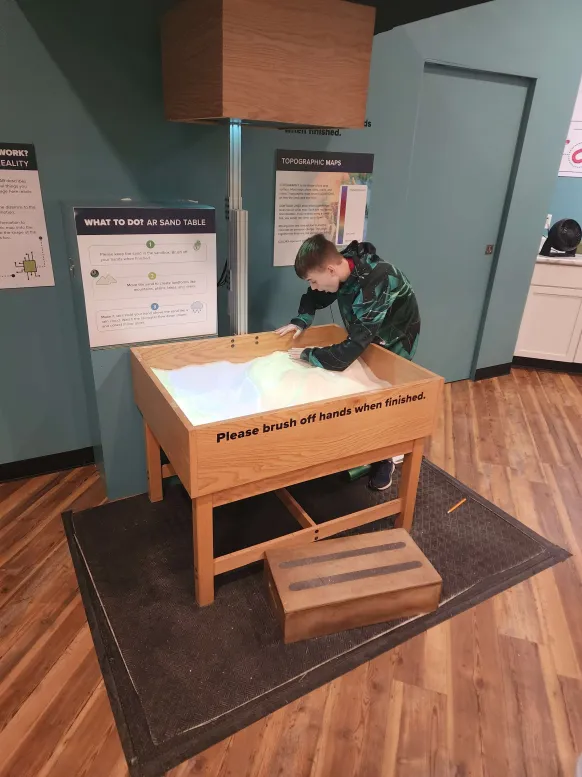
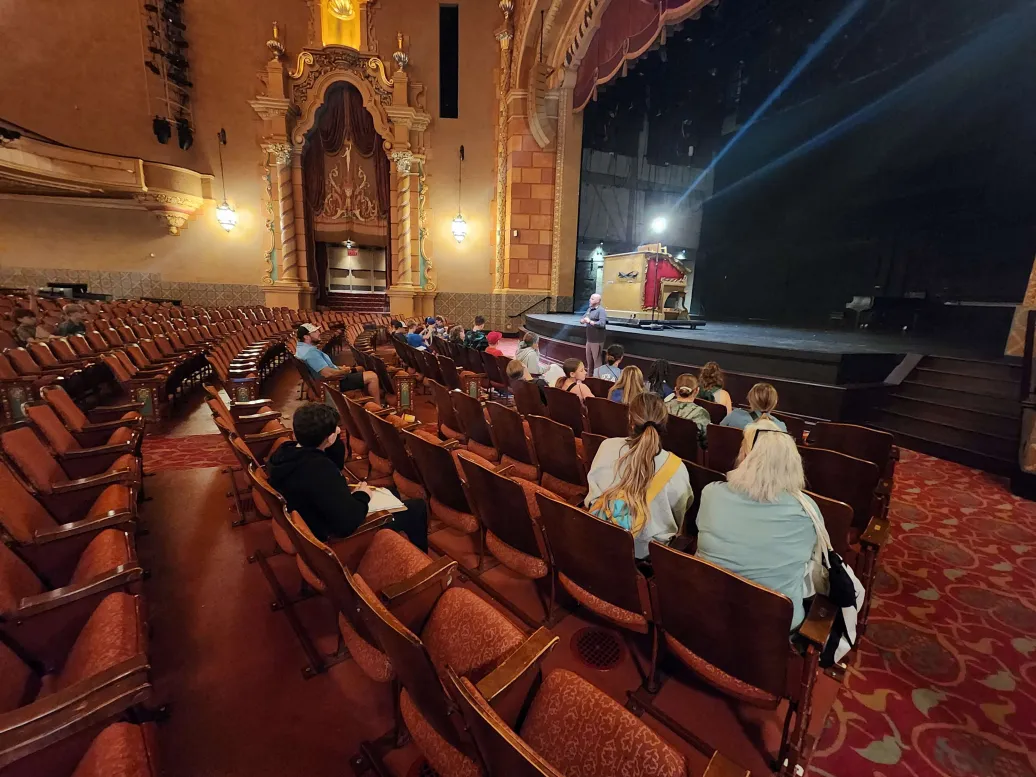
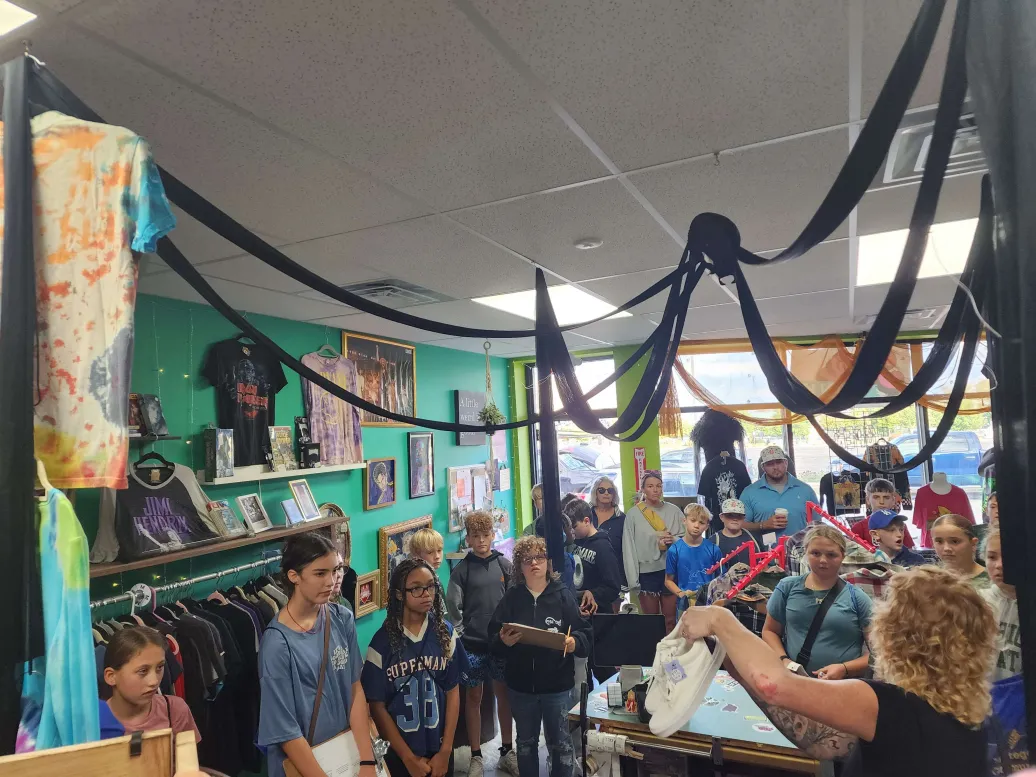
Students investigate multiple dimensions of accessibility: physical ADA compliance, social and emotional belonging, socioeconomic barriers (housing and food access), and environmental accessibility. Through field trips to local elementary schools, parks, sports facilities, and downtown Muskegon, students conduct surveys and observations to identify real problems in their community. They document their findings through field notes, transcripts, and analysis.
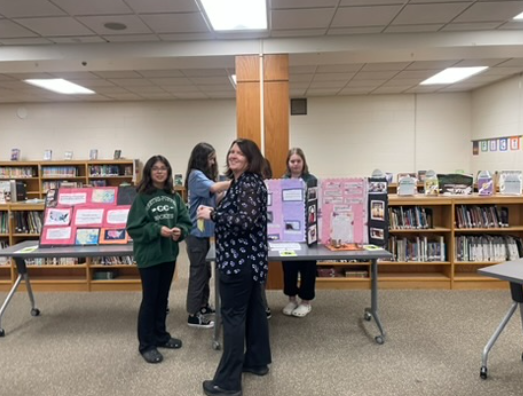
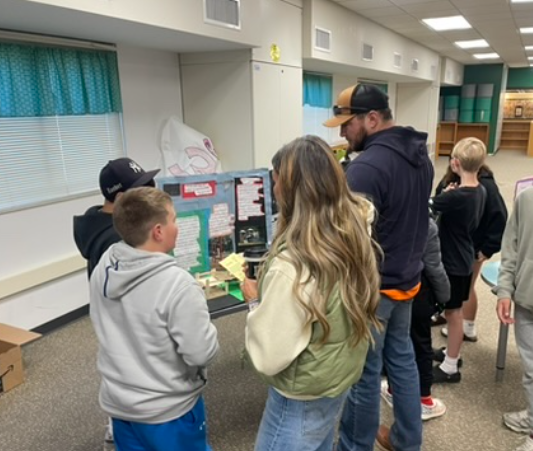
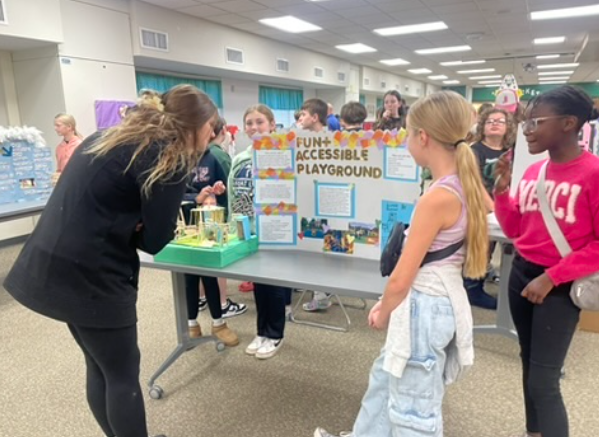
Using the design thinking process, students choose a specific accessibility topic to research deeply. They brainstorm solutions, create prototypes, and iterate based on feedback. The project culminates in students presenting community-based solutions to local stakeholders and community members, potentially building on existing initiatives like Safe Routes to School.
Resources
Community Partners
West Michigan Disability Network
School Library
Local elementary schools
Downtown Muskegon businesses and facilities (Funky Punk, YMCA, Farmer's Market, Frauenthal Center)
Local parks and sports facilities
Standards Alignment
English Language Arts
- W.6.2: Write informative/explanatory texts to examine a topic and convey ideas, concepts, and information through the selection, organization, and analysis of relevant content.
- W.6.2a: Introduce a topic; organize ideas, concepts, and information using strategies such as definition, classification, comparison/contrast, and cause/effect.
- W.6.2b: Develop the topic with relevant facts, definitions, concrete details, quotations, or other information and examples.
- W.6.2c: Use appropriate transitions to clarify the relationships among ideas and concepts.
- L.6.2: Demonstrate command of the conventions of standard English capitalization, punctuation, and spelling when writing.
- L.6.2b: Spell correctly.
Mathematics
- Ratios and percentages (applied to population data and accessibility statistics)
Science
- Engineering Design: Designing with criteria and constraints
- Ecosystems: Data/resources, flow of energy, ecosystem populations
Social Studies
- G4.3.1: Explain how people have modified the environment and used technology to make places more suitable for humans, as well as how modifications sometimes have negative or unintended consequences.
- G5.1.1: Describe examples of how humans have impacted and are continuing to impact the environment in different places as a consequence of population size, resource use, level of consumption, and technology; population pyramids.