Disc Golf Course Design
7th Grade, Orchard View Middle School
How does disc golf bring communities together? (And how can we build a disc golf course of our own?)
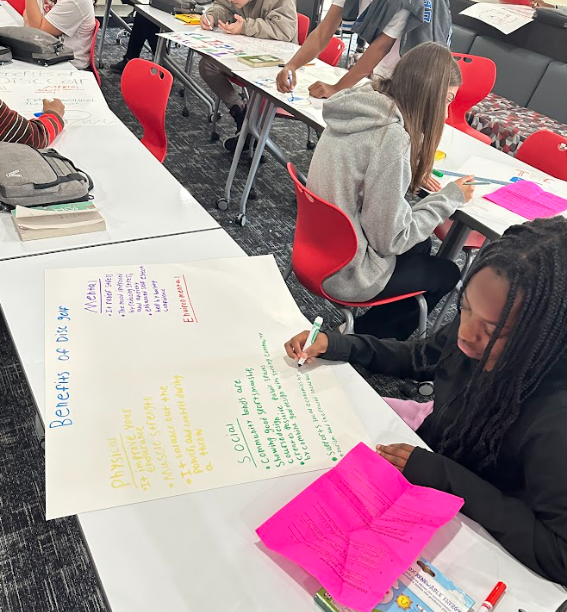
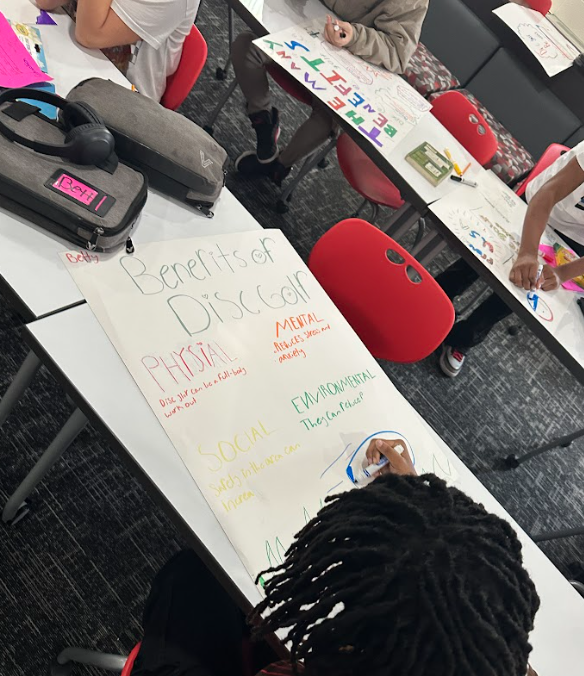
Students design and build an actual disc golf course on school grounds, learning about physics, engineering, mathematics, civics, and environmental science along the way. This authentic project connects students to local disc golf experts, city planners, and parks and recreation professionals while teaching them the full process of community development—from initial research through permits, design, construction, and marketing.
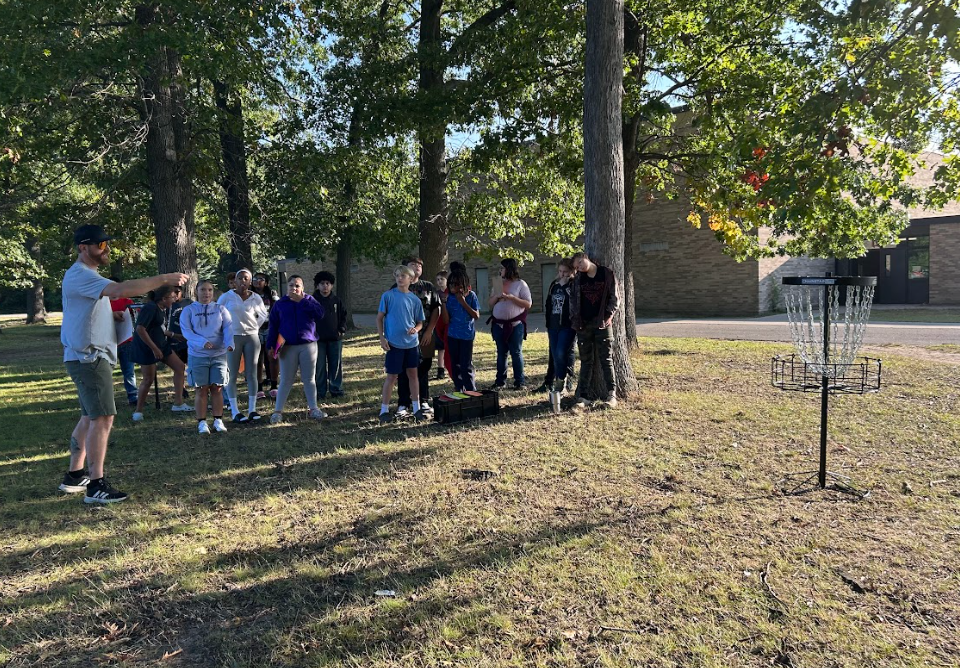
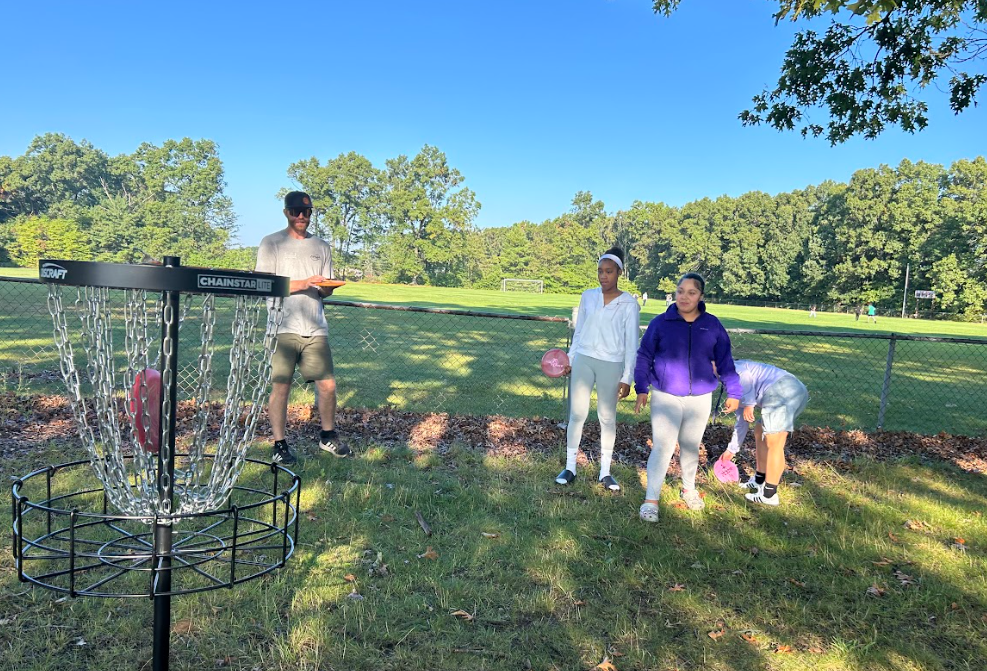
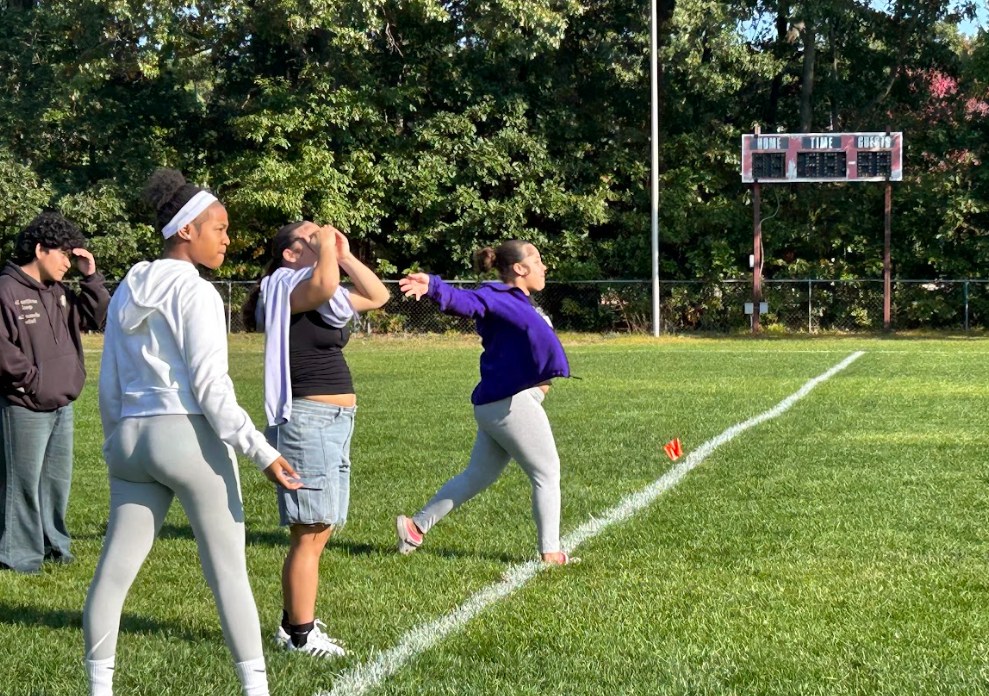
The project launches with a hands-on introduction to disc golf through rotating stations: learning to drive, learning to putt, a 1-3 hole walkthrough demonstration, and target practice with a guest speaker. Students then visit McGraft Park and the Whitehall Disc Golf Course to observe course design, interview experts, and create initial scale drawings and field notes.
Through the design thinking process, students investigate what makes an effective disc golf course. They research zoning and permits, environmental concerns (including oak wilt disease and wildlife habitats), topography, and course layout principles. Students explore the history and culture of games, connecting disc golf to ancient recreational traditions and examining why communities invest in public recreation spaces.
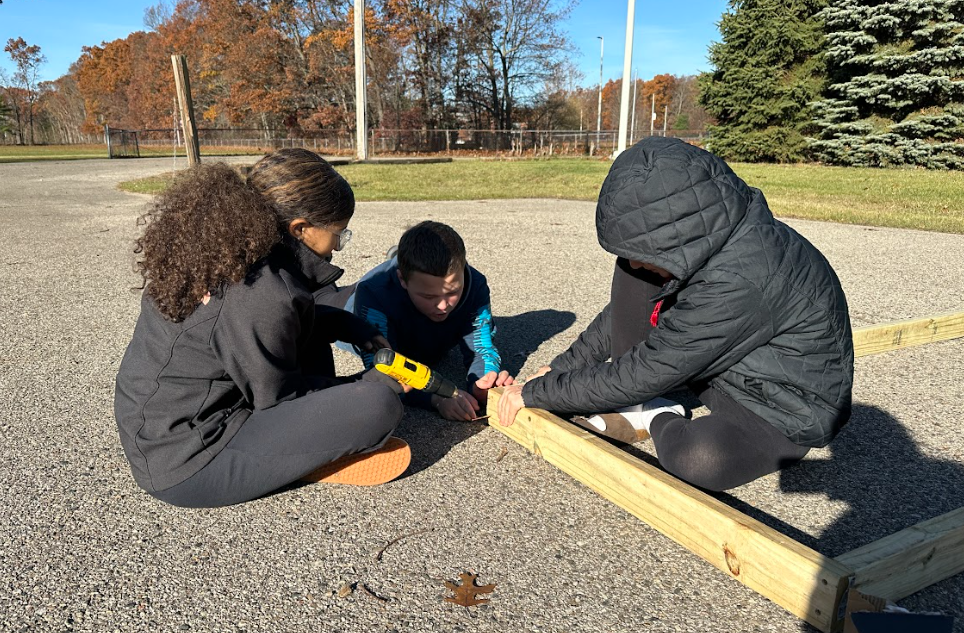
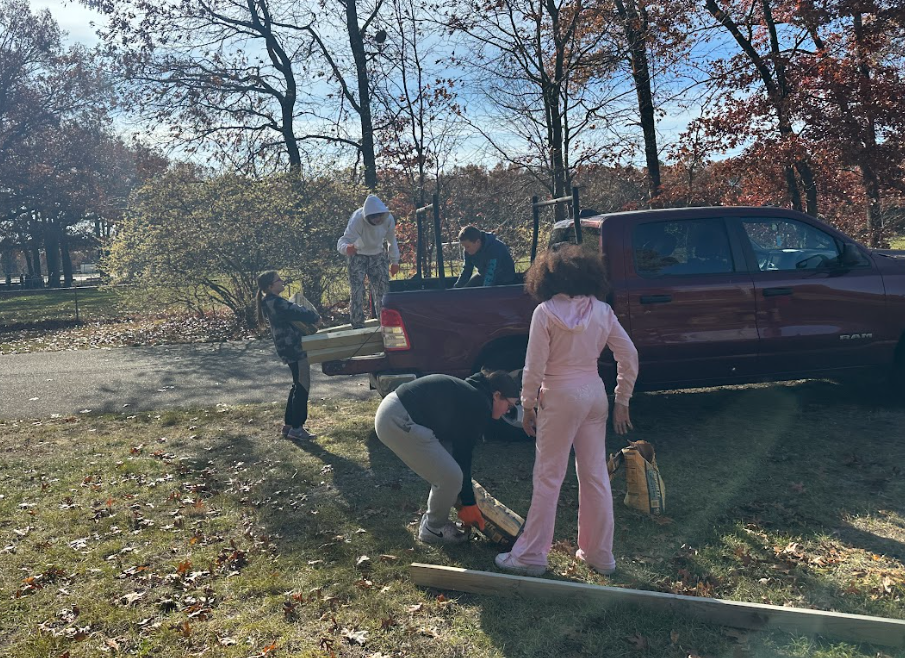
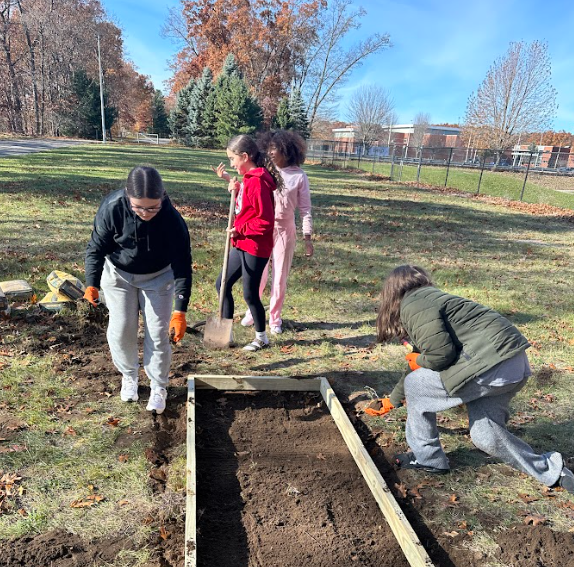
Working in teams, students create course blueprints, design signage, develop marketing materials (brochures, commercials, websites, social media), and write permit proposals. They test their designs using portable baskets before finalizing plans. The project culminates in students participating in the actual installation of tee pads and baskets, followed by a course opening event for parents, school staff, and community members.
Resources
Community Partners
- McGraft Park
- Muskegon Sports Complex
- Fisher Disc Golf
- City of Muskegon Planning Department
- City of Muskegon Parks and Recreation
- Disc Golf Foundation (Matching Baskets Program)
- Edge Disc Golf
Standards Alignment
Science
- MS-PS3-1: Construct and interpret graphical displays of data to describe the relationships of kinetic energy to the mass of an object and to the speed of an object.
- MS-ETS1-3: Analyze data from tests to determine similarities and differences among several design solutions to identify the best characteristics of each that can be combined into a new solution to better meet the criteria for success.
- Newton's Laws of Motion (applied to disc flight, acceleration, and obstacles)
Mathematics
- 7.RP.A.2: Recognize and represent proportional relationships between quantities. *(Applied to budgeting and scale)*
- 7.G.A.1: Solve problems involving scale drawings of geometric figures, including computing actual lengths and areas from a scale drawing. *(Applied to course blueprints)*
- 7.G.B.5: Use facts about supplementary, complementary, vertical, and adjacent angles in multi-step problems. *(Applied to course trajectory and hole design)*
English Language Arts
- Research skills (game rules, city planning processes, environmental concerns such as oak wilt)
- Proposal and permit writing
- Creation of marketing materials (brochures, commercials, websites, social media content)
Social Studies
- 7-WHG Era 1: The Beginnings of Human Society—History of games and recreation (Ancient Rome, first Olympics)
- 7-P3: Identifying and Analyzing Issues, Decision Making, Persuasive Communication About a Public Issue, and Citizen Involvement
- 7-P4: Civic Participation
- Zoning, permits, and local government processes