Party Planning: Designing with Empathy
6th Grade, Orchard View Middle School
How can we design a party for one of our peers?
This introductory project focuses on building social-emotional skills and introducing the design thinking process. Students design a party for a peer based on that person's likes, dislikes, and interests—requiring them to practice empathy, active listening, and collaboration from the start of the school year.
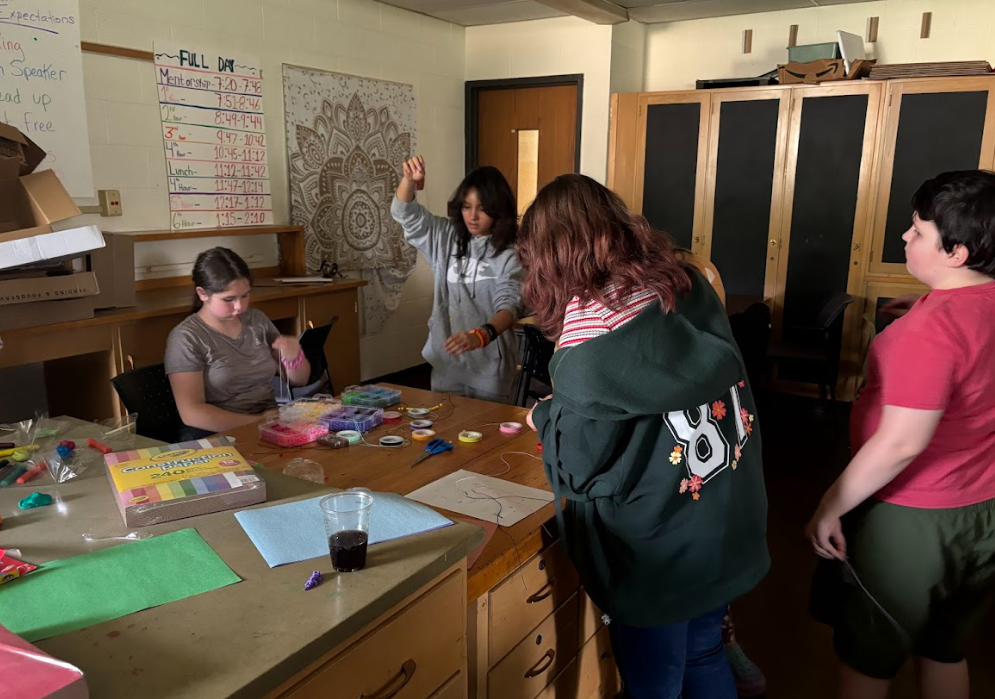
Students begin by experiencing a deliberately mismatched "party" planned by teachers, then reflect on what it feels like when someone doesn't consider your preferences. This hook establishes why empathy matters in design. Partners are randomly assigned, and students learn to ask effective open and closed questions to gather information about their peer's interests.
Using a structured design thinking framework, students move through empathizing, defining, ideating, prototyping, and testing. They document their findings, make inferences about what their partner would enjoy, and create a first draft of their party proposal. Students learn about quality feedback through the "Austin's Butterfly" protocol and practice giving specific, helpful, and empathetic critiques focused on the work rather than the person.
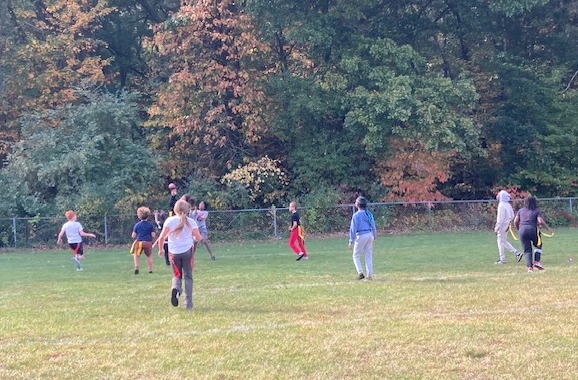
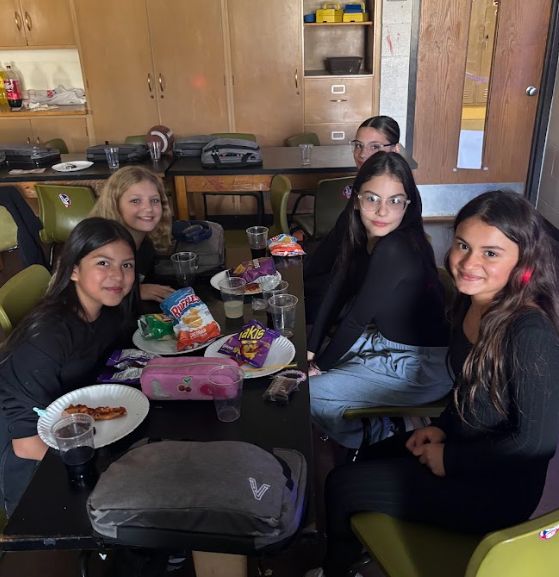
The project culminates in students creating a polished party proposal using Canva, incorporating peer feedback to improve their designs. As a class, students then collaborate to actually plan a party together, applying budgeting skills and decimal operations to make it happen.
Resources
Community Partners
Local event planner & designer
Standards Alignment
English Language Arts
- W.6.1: Write arguments to support claims with clear reasons and relevant evidence. (Supported by W.6.4, W.6.6, W.6.7, W.6.8)
- W.6.2: Write informative/explanatory texts to examine a topic and convey ideas, concepts, and information through the selection, organization, and analysis of relevant content.
- L.6.1: Demonstrate command of the conventions of standard English grammar and usage when writing or speaking.
- L.6.6: Acquire and use accurately grade-appropriate general academic and domain-specific words and phrases.
- SL.6.1: Engage effectively in a range of collaborative discussions with diverse partners on grade 6 topics, building on others' ideas and expressing their own clearly.
- SL.6.4: Present claims and findings, sequencing ideas logically and using pertinent descriptions, facts, and details; use appropriate eye contact, adequate volume, and clear pronunciation.
Mathematics
- 6.NS.A.1/B.3: Operations with Decimals and Fractions
- 6.SP.B.4/5: Displaying and Analyzing Numerical Data
Science
- MS-ESS3-3: Apply scientific principles to design a method for monitoring and minimizing a human impact on the environment.
- MS-ETS1-1: Define the criteria and constraints of a design problem with sufficient precision to ensure a successful solution.
- Practice 1: Asking Questions and Defining Problems
- Practice 6: Constructing Explanations and Designing Solutions
- Practice 8: Obtaining, Evaluating, and Communicating Information
Social Studies
- Cultural symbols and personal identity
No items found.