Roots & Routes: Culture Project
6th Grade, Orchard View Middle School
What are ways different cultures show their identity?
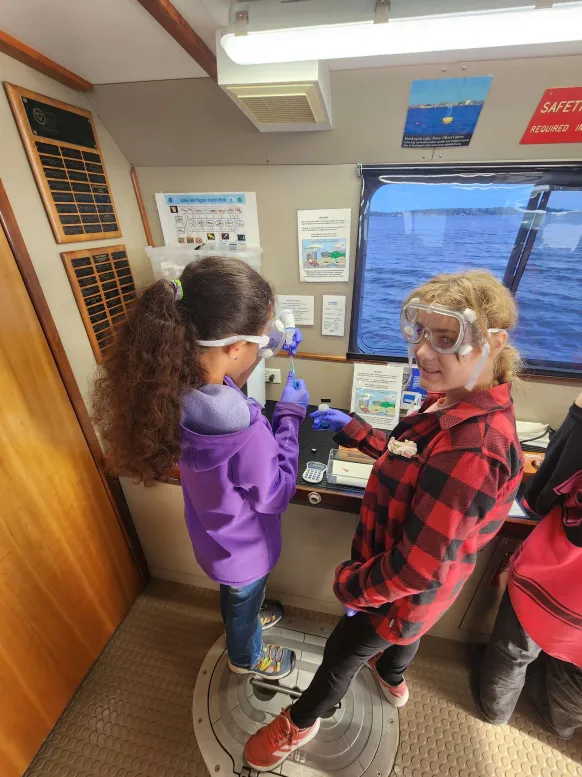
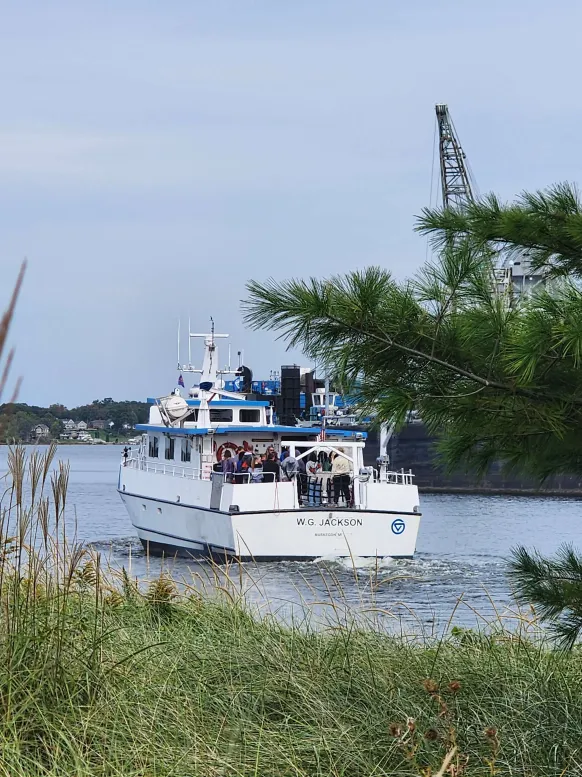
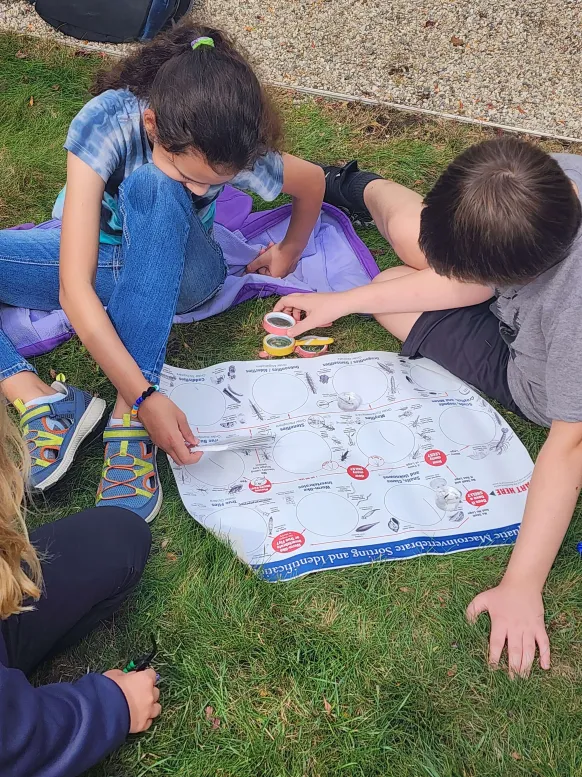
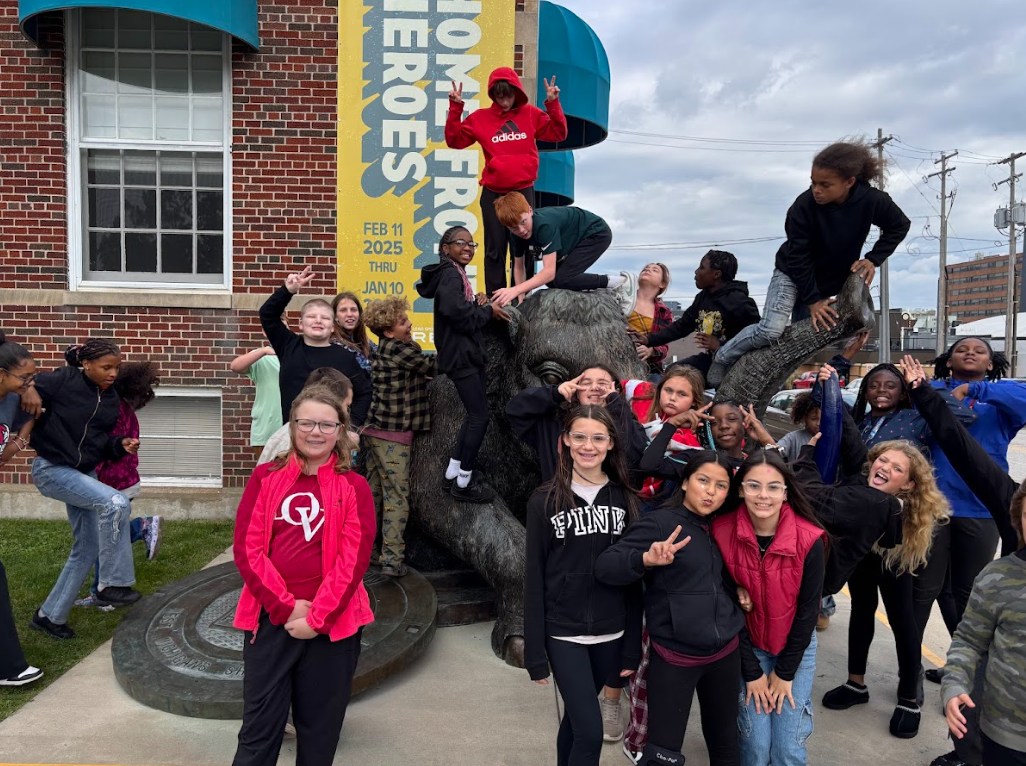
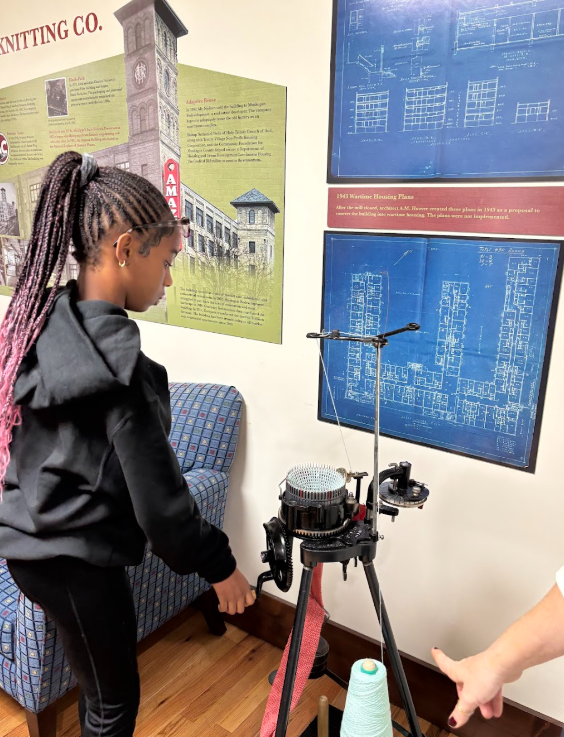
Students research world cultures to understand how lifestyle, traditions, and identity are shaped by geography, climate, and natural resources. They examine the factors that influence a culture—including religion, food, economics, and social structure—and explore the symbols used to represent cultural identity such as flags, currency, and language. As part of this project, students boarded and worked on the Annis Water Research Vessel on Lake Michigan and toured the local museum to learn about the impact of culture and climate in their local community.
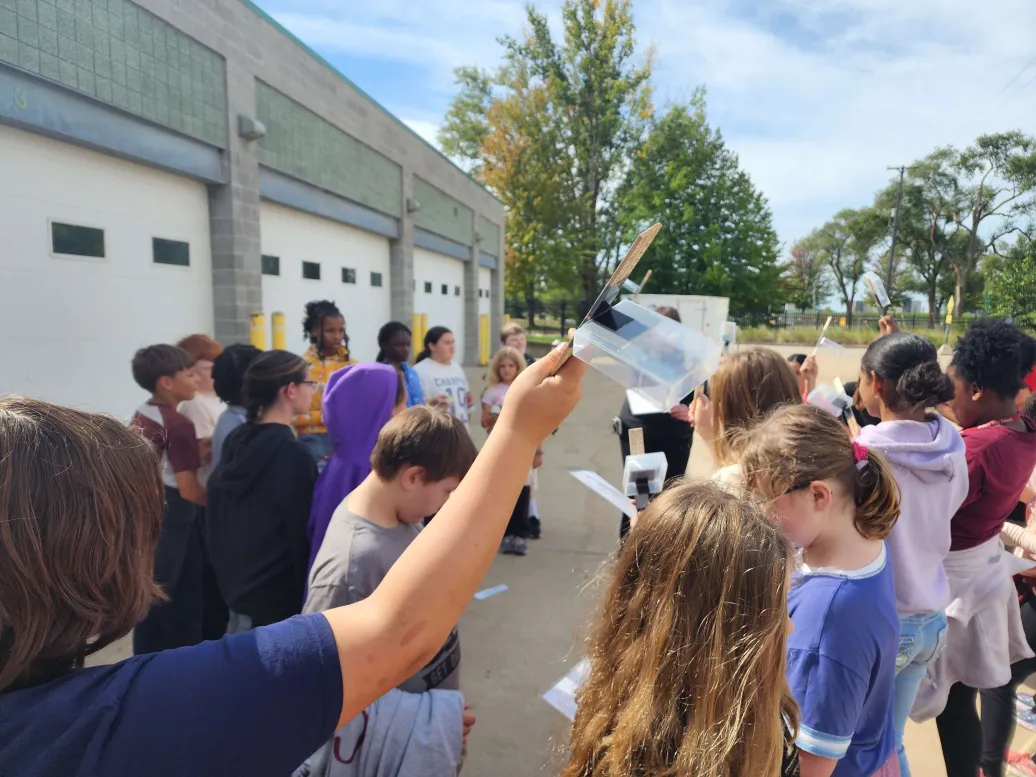
Using the "GREASE" framework (Geography, Religion, Economics, Adaptations & Achievements, Social Structure, Environmental), students conduct research on a chosen culture or region. They analyze how people have adapted to their physical environment and how human activity has modified the land over time. Students connect this learning to local context through a field trip to the Muskegon area, exploring how water and geography have shaped their own community.
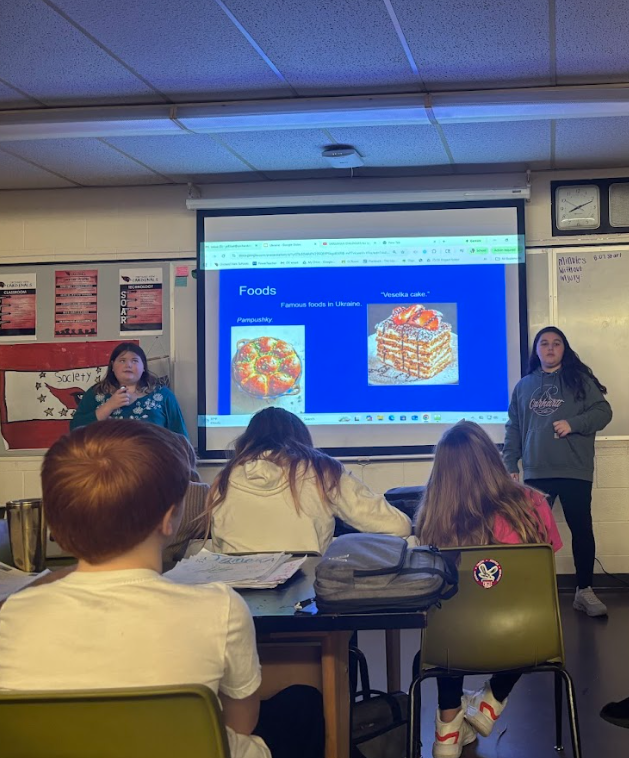
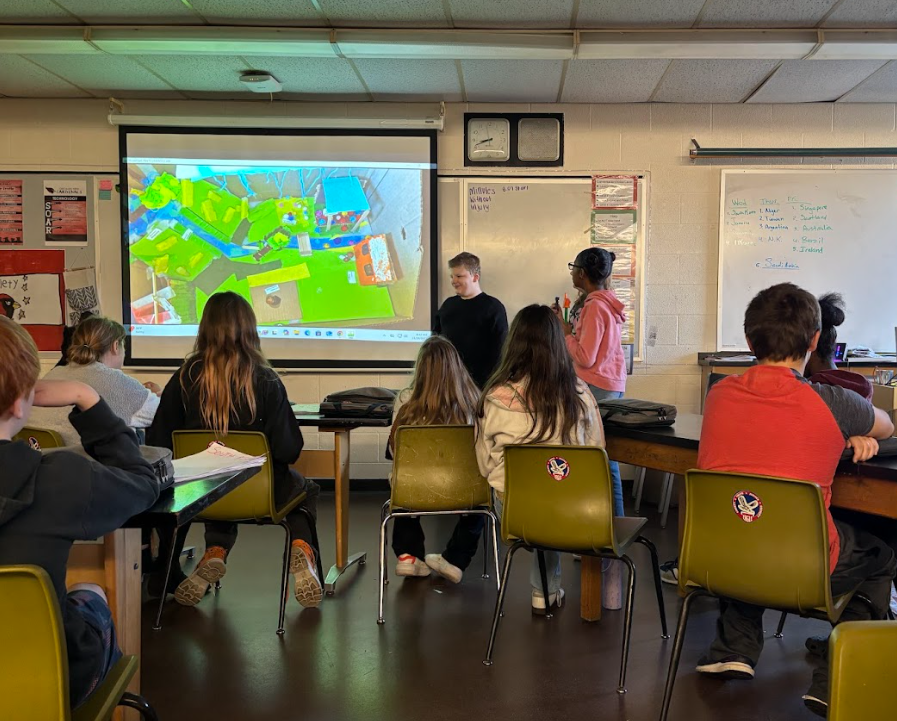
The project culminates in student groups creating representations that compare past and present versions of their chosen culture's environment, demonstrating how geography influences daily life and how humans have shaped the land. Groups present their research, with each member responsible for explaining specific connections between the GREASE elements and the cultural symbols represented in their model.
This project fosters empathy toward other cultures by helping students understand why certain practices and symbols hold importance. It also builds community awareness—recognizing that while we are culturally different, we all contribute to one shared community.
Resources
Community Partners
- Muskegon Area Historical Museum
- Hackley & Hume Historic Site
- GVSU Research Vessel (Annis Water Resources Institute)
- City Historian
- Parent volunteers representing cultural traditions
- Local cultural restaurants (e.g., Curry Kitchen)
Standards Alignment
Science
- MS-LS2-1: Analyze and interpret data to provide evidence for the effects of resource availability on organisms and populations of organisms in an ecosystem.
- Practice 6: Constructing Explanations and Designing Solutions
- Practice 8: Obtaining, Evaluating, and Communicating Information
Social Studies
- G6.1.2: The World in Spatial Terms—Geographical Habits of Mind: Geographical Inquiry and Analysis
- G2.1: Physical Characteristics of Places—Describe the physical characteristics of places.
- G6.5.1: Environment and Society—Humans and the Environment: Describe how humans use and modify the environment.
- C6.1.1: Purposes of Government—Nature of Civic Life, Politics, and Government Structure and Functions of Government.
- C6.4.3: Relationship of United States to Other Nations and World Affairs—Conflict and Cooperation Between and Among Nations.
English Language Arts
- Various reading and writing standards (connected to research and presentation components)
Mathematics
- 6.SP.B.4/5: Displaying and Analyzing Numerical Data